Curious about how bed bug sprays actually work to eradicate those pesky critters? Dive into the fascinating science behind their bug-killing powers.
Discover how these sprays target and disrupt the nervous system of bed bugs, rendering them ineffective. Uncover the neurotoxic mode of action that makes these sprays so potent bed bugs spray.
You’ll learn about their effectiveness and proper application for maximum bug-busting results. Get ready to banish those bed bugs for good!

Bed Bug Sprays: An Overview
In an article about bed bug sprays, you can learn how they work to kill bugs effectively. Bed bug sprays function by targeting the nervous system of the bugs, disrupting their neurotransmitters and ultimately leading to their demise.
These sprays often contain active ingredients such as pyrethroids or neonicotinoids https://igreenasia.com/, which are lethal to bed bugs upon contact. When you apply the spray directly on the bugs or in areas where they frequent, it quickly penetrates their exoskeleton, causing paralysis and death.
The effectiveness of bed bug sprays lies in their ability to provide a quick and efficient solution to rid your space of these pesky insects. By using these sprays as directed, you can effectively eliminate bed bug infestations and regain control of your living environment.
Remember to always follow safety precautions when using these sprays to protect yourself and others while enjoying a bug-free space.
Targeting the Nervous System
To effectively kill bed bugs, bed bug sprays target and disrupt their nervous system, leading to paralysis and eventual death. When you apply these sprays, the active ingredients work by interfering with the bed bugs’ neurotransmitters, which are essential for their ability to move and feed. Imagine these sprays as disruptors, throwing a wrench into the finely tuned communication system of the bed bugs. As a result, their nerve cells can no longer send messages properly, causing them to become paralyzed. Without the ability to function normally, the bed bugs ultimately meet their demise.
Disrupting Bug Functionality
When targeting the nervous system with bed bug sprays, you disrupt bug functionality by interfering with their ability to move and feed. These sprays contain chemicals that affect the bugs’ nervous systems, causing paralysis and eventually leading to their demise. By disrupting their nerve impulses, the bugs lose control over their muscles, preventing them from moving freely or feeding on blood. This disruption in functionality is crucial for eradicating bed bug infestations effectively.
As you liberally apply the spray in infested areas, you actively hinder the bugs’ ability to carry out essential tasks for their survival. With each spray, you tip the scales in your favor, giving yourself the upper hand in this battle for your living space. The bugs, once agile and relentless, are now weakened and incapacitated, thanks to your strategic use of bed bug sprays. Remember, by disrupting their functionality, you’re taking back control of your home and ensuring a good night’s sleep, free from the nuisance of these pesky insects.
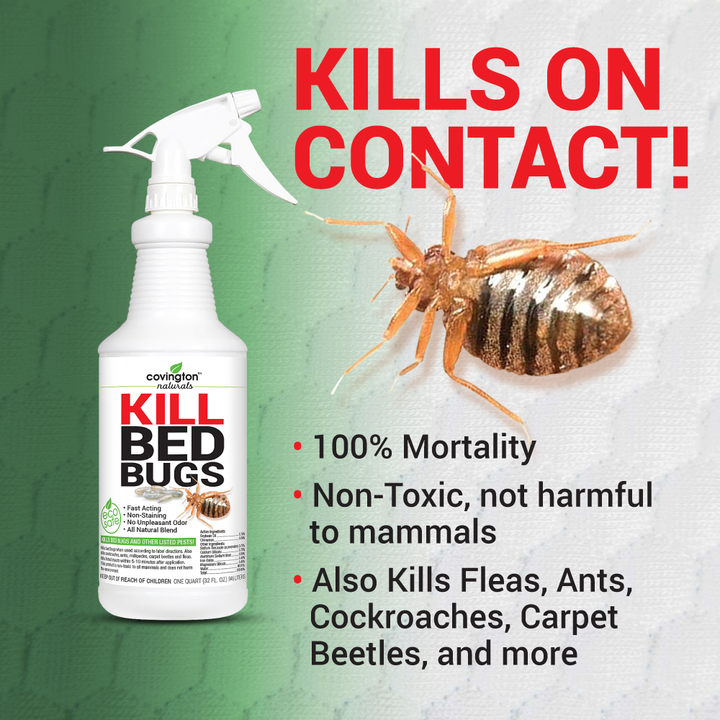
Mode of Action: Neurotoxicity
By targeting the nervous system of bed bugs, bed bug sprays induce neurotoxicity, ultimately leading to their paralysis and elimination.
When you apply these sprays, the active ingredients penetrate the exoskeleton of the bed bugs. Once inside, they disrupt the normal functioning of the bugs’ nervous system. Imagine the nerve signals in the bed bug getting all jumbled up, causing chaos in their tiny bodies. This disruption leads to symptoms like tremors, paralysis, and eventually death for the pesky critters.
So, when you see those bed bugs squirming after you’ve sprayed, it’s a sign that the neurotoxic action is taking effect. The beauty of this mode of action is that it specifically targets the bugs’ nervous systems, without posing significant risks to humans or pets.
In the battle against bed bugs, neurotoxicity is your powerful ally, swiftly incapacitating these unwanted intruders.
Effectiveness and Application
Ensure you carefully follow the instructions provided on the bed bug spray label for optimal effectiveness and safe application. To effectively eradicate bed bugs, ensure thorough coverage of the infested areas, including furniture, cracks, and crevices where bugs may hide. Remember, more isn’t always better; using excess spray can be harmful and may not improve results.
When applying the spray, aim for a light and even coat on surfaces. Allow the spray to dry completely before contact to ensure its full effect. Reapply the spray as recommended on the label, usually every few weeks, to maintain protection against any surviving bugs or new infestations.
Additionally, consider using complementary methods like vacuuming, laundering bedding in hot water, and sealing cracks to enhance the spray’s effectiveness. Regularly monitor treated areas for any signs of bed bugs to catch potential reinfestations early. By following these guidelines and staying proactive, you can effectively combat bed bugs and keep your living spaces bug-free.
Conclusion
Overall, bed bug sprays work by targeting the nervous system of the bugs, disrupting their functionality and ultimately leading to their demise.
By causing neurotoxicity, these sprays are effective in eliminating bed bug infestations when used correctly.
Remember to follow the instructions on the label for proper application to ensure the best results in getting rid of these pesky insects.